
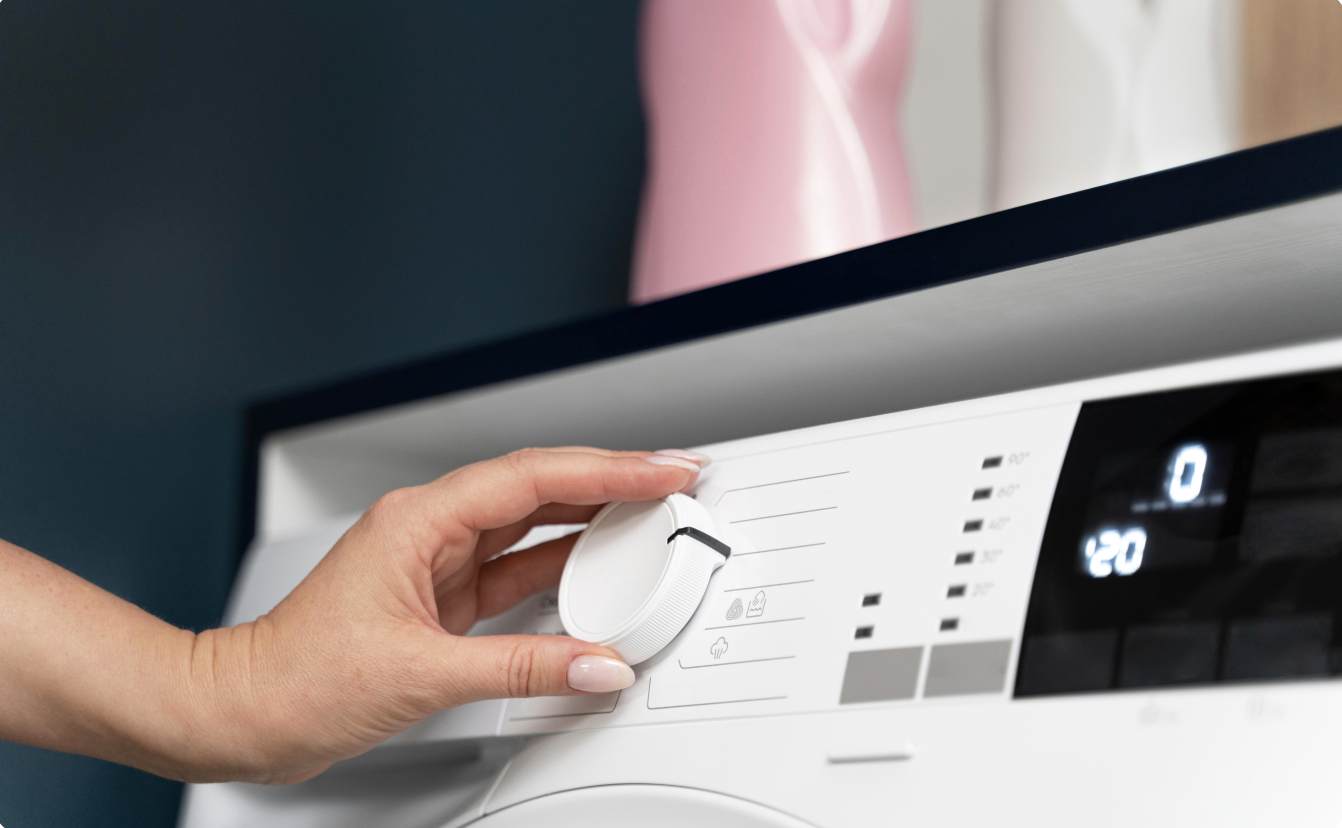
Dirt and stains typically consist of particles such as minerals from soil, protein and other organic matter from living things, or bits of black carbon. The particles are trapped on cloth fibers by grease and oil, which cannot be dissolved in water. By understanding the chemistry of stain removal, you can solve almost all stain problems.
-
Don’t procrastinate. The sooner you attend to a stain, the better.
-
Think twice before just throwing stained clothing in the laundry. The heat of the water and dryer can set in many stains.
-
Remove as much as possible. Start by scraping, blotting, vacuuming, or otherwise removing as much of the stain as you can. Never rub in the stain.
-
Identify the stain. Treating a chocolate stain, for example, is different than what you’d do if you spilled coffee on your favorite shirt. If you know what caused the stain, you can find the right treatment.
-
Consult Hercules stain solutions. Visit our stain removal section for chemistry-based solutions to common stains.
-
Pretest first. Test on the fabric to make sure it won’t be harmed by the treatment.
-
Use warm or cool water. This is the safest for stain removal because hot water and heat can set in stains.
-
Choose the right detergent. When fabric is very dirty, such as after floods or with clay and ground-in dirt, you may want to use a powdered laundry detergent. If the laundry isn’t heavily soiled, liquid laundry detergent is better — it’s less likely to leave mineral residue on the clothes if you have hard water. When washing really dirty clothes, wash whites separately (even if they’re dirty, too) because they will turn gray in dirty water.
-
Be patient. You may have to try a couple of things before you find the one that works on your stain.
-
Don’t mix treatments. Although you may need to try several different methods for stain removal, you should not combine different stain removers. This can cause adverse chemical reactions, such as the formation of toxic gas when bleach and ammonia are combined. To avoid this, thoroughly rinse and remove one stain treatment product before trying another.
-
Check for colorfastness. Some harsher treatments may change the color of the fabric you are trying to treat. Test for colorfastness in an inconspicuous area of clothing first to avoid surprises like a bright white spot on a red t-shirt.
-
Avoid the dryer until stain is gone. Always make sure the stain is completely removed before placing clothes in the dryer. Nothing sets a stain worse than drying it. If your stain removal method did not completely remove the stain, try another approach or let the item air dry to improve your chances of success.
With a little guidance from Hercules, even the toughest stains can be managed safely and effectively.